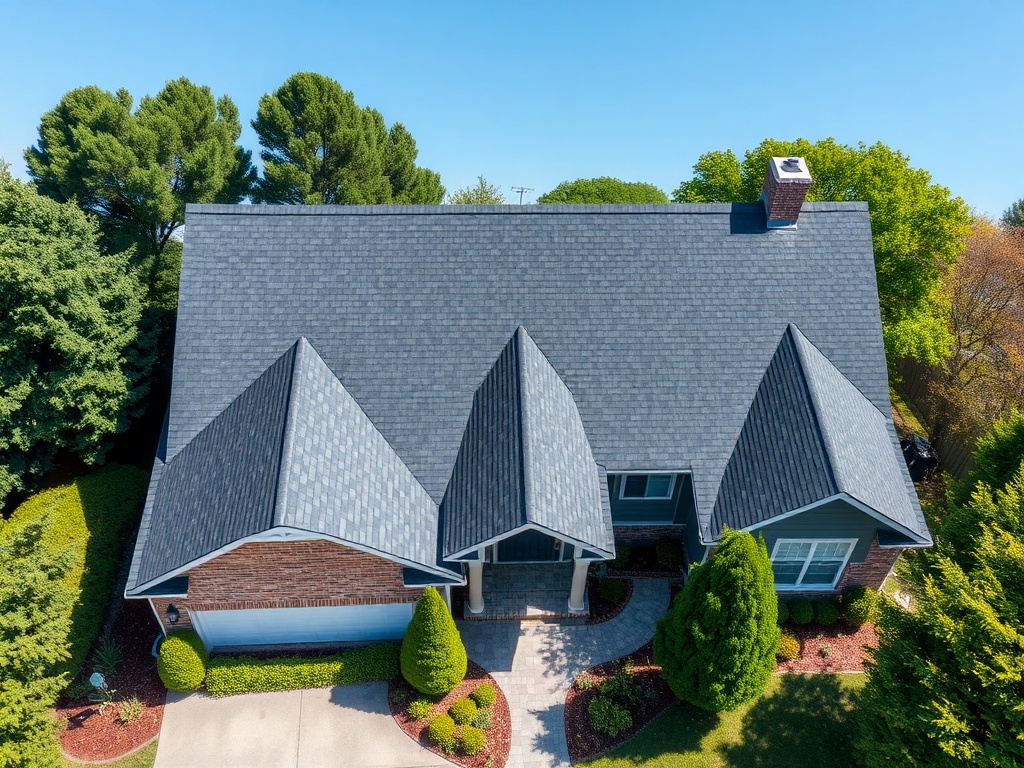
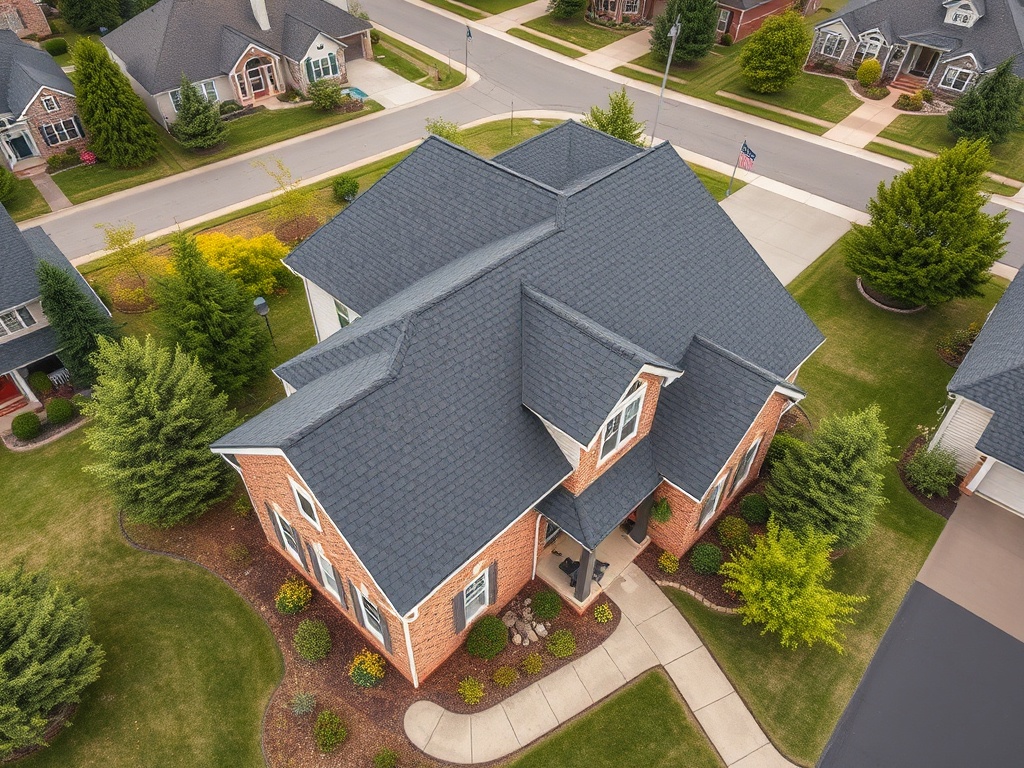
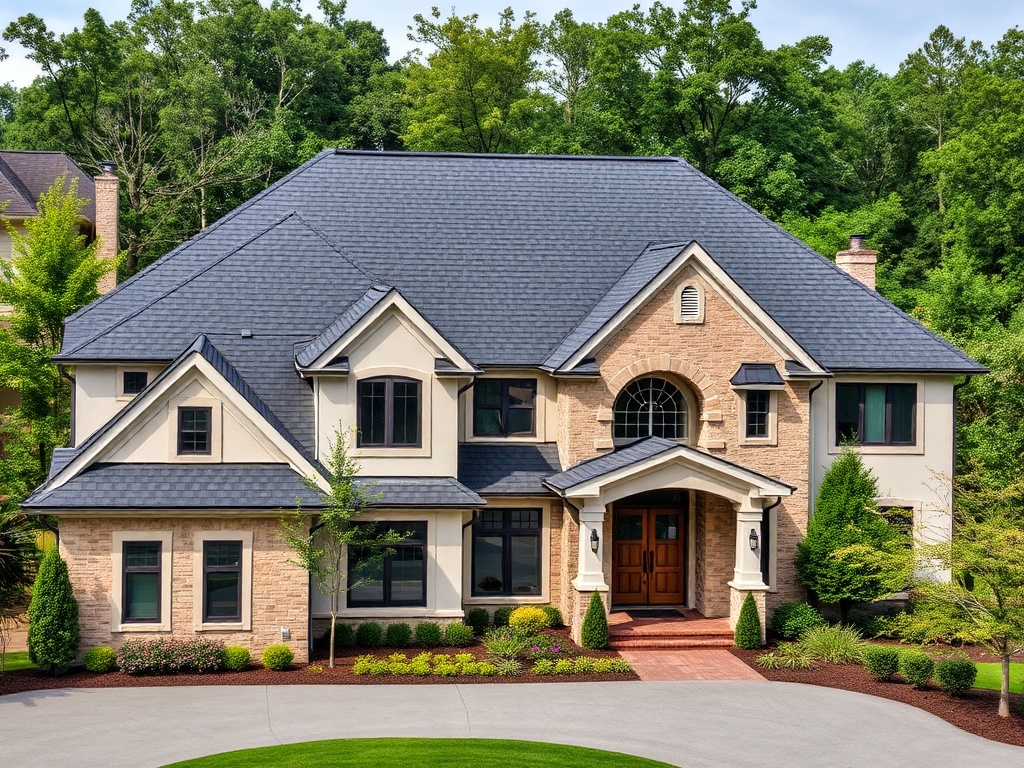
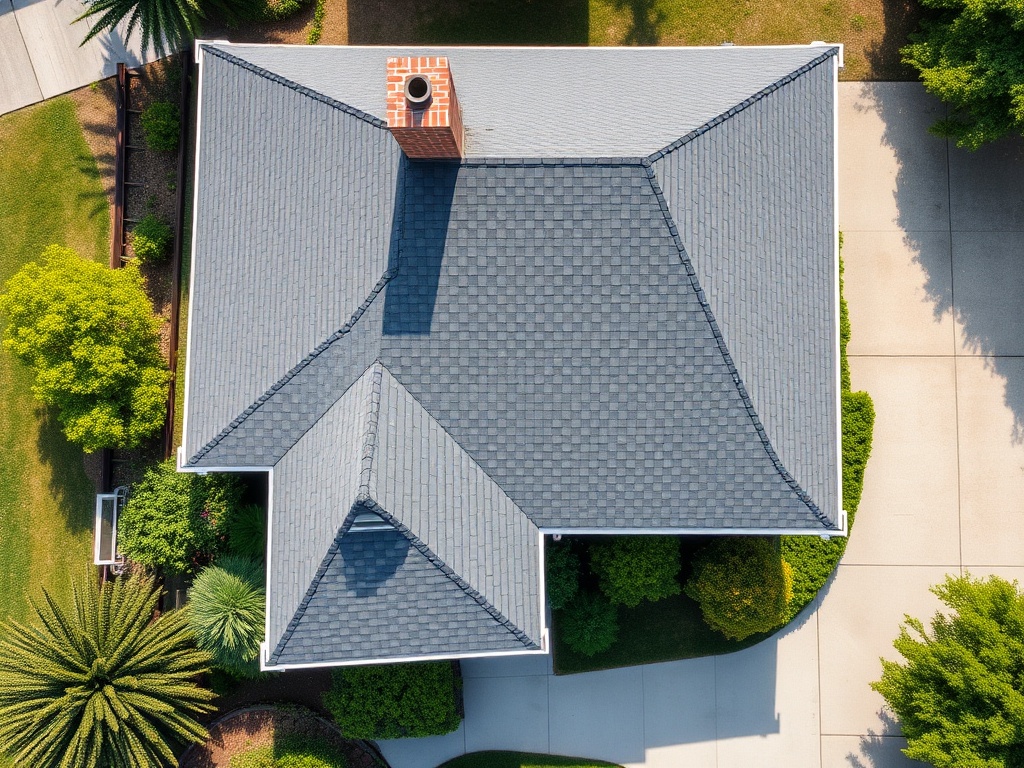
Your roof's lifespan depends on material type. Asphalt shingles, the most common choice, last 15-20 years. Metal roofing offers greater longevity at 30-50 years. Wood shakes and tile roofs provide 20-40+ year lifespans.
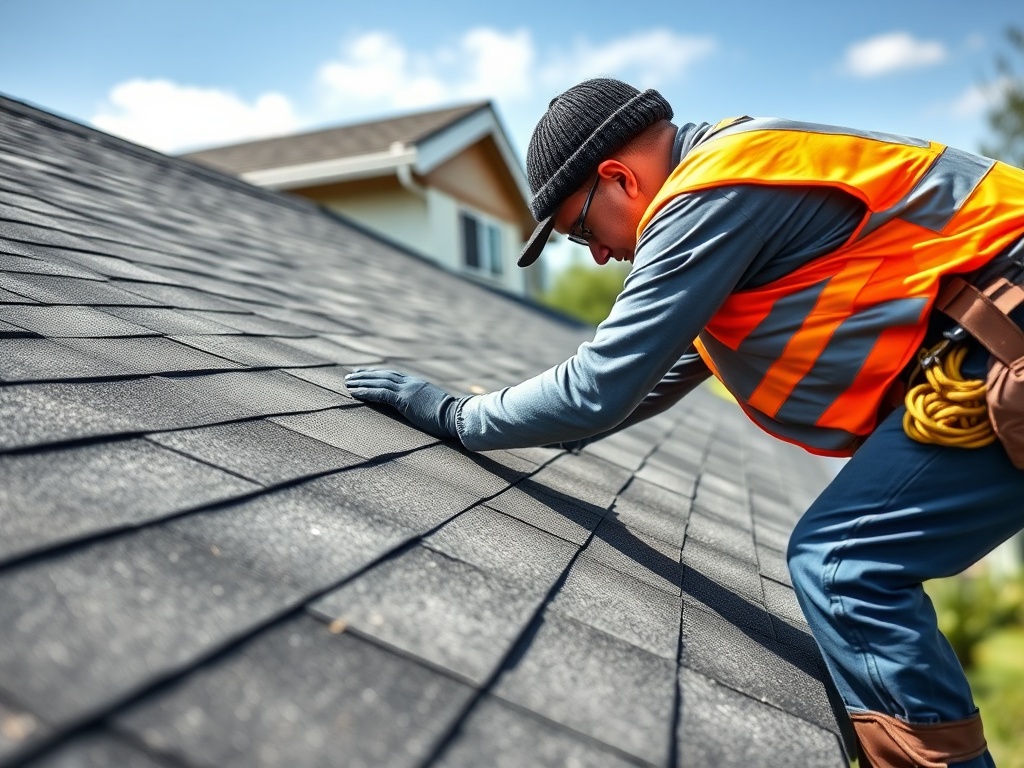
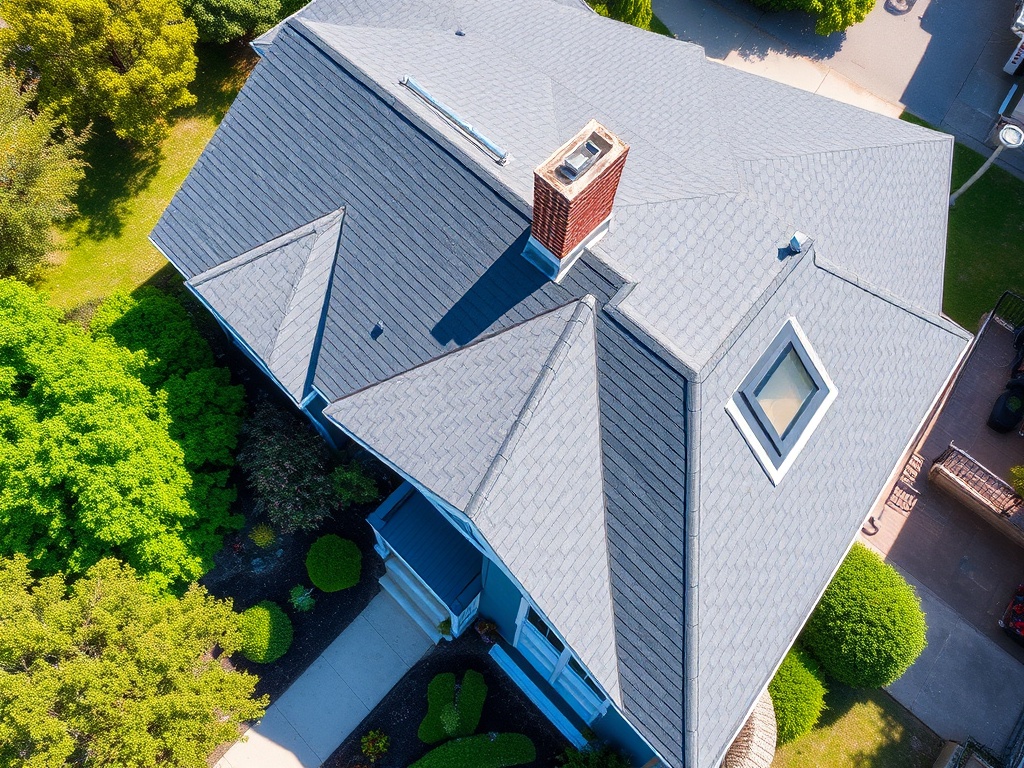
To assess your roof's age, check home inspection records, ask neighbors about their installations, or hire a professional inspector. Inspectors examine shingle condition, weathering, granule loss, and structural integrity. Look for curling shingles, missing granules, moss growth, and sagging areas.
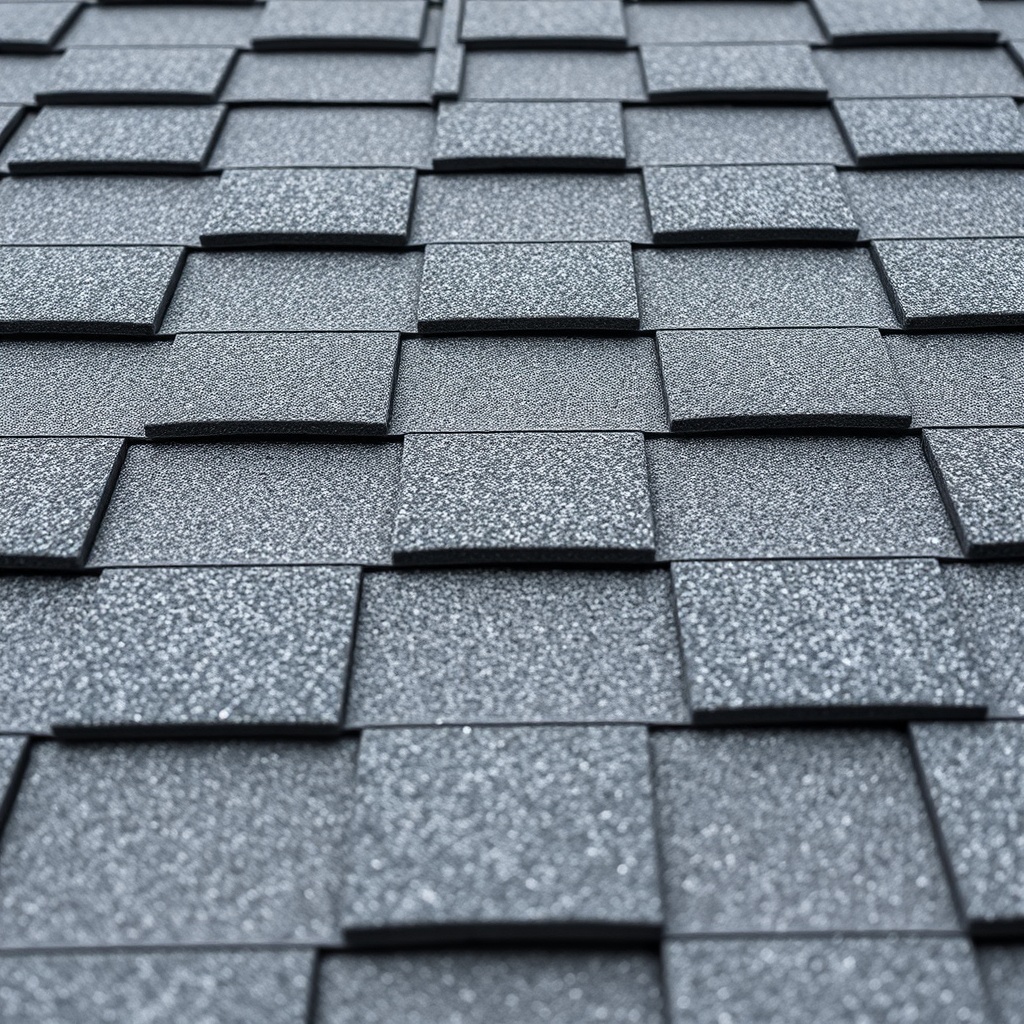
Calculate replacement timing based on material lifespan. For example, asphalt shingles at 15+ years should be evaluated for replacement, even without visible damage. Aging roofs lose water-shedding effectiveness and become leak-prone. Professional inspection provides exact condition assessment and remaining lifespan—helping homeowners plan maintenance proactively. Asphalt Shingles Damaged roofs aged near their material's lifespan—asphalt shingles at 15+ years, metal roofing at 25+ years—typically warrant full replacement rather than patch repairs. Localized damage on newer roofs justifies repair. However, multiple problem areas across the roof indicate systemic aging and deterioration; replacement provides better long-term value than piecemeal repairs.
Roof damage appears as broken or missing shingles, curling edges, granule loss, discoloration, and exposed flashing. Inspect after storms for damage areas.
Determining repair versus replacement depends on damage extent and location. Isolated broken shingles justify repair. However, if damage spans multiple areas—missing shingles in several locations, deterioration across several sections—full replacement becomes more economical than repeated repairs.
Roof age is critical. Older roofs near their lifespan experiencing damage usually require replacement. Newer roofs with localized damage benefit from targeted repairs. Multiple problem areas indicate systemic deterioration; replacement provides better long-term protection.
Roof repair versus replacement involves comparing immediate and long-term costs. Single repairs cost $200-500; full replacement costs $5,000-15,000. However, delaying repairs creates hidden expenses.
Neglected repairs become major problems. A missing shingle allows water infiltration causing rot, mold, and structural damage costing thousands. One delayed repair cascades into expensive secondary damage.
Consider replacement when repairs exceed 50% of replacement cost, or your roof approaches its lifespan end. Aging roofs require increasing repairs—replacement prevents costly emergencies.
Preventive maintenance—addressing small issues immediately—saves money long-term. A $300 repair today prevents $3,000+ damage tomorrow. Neglecting repairs risks exponential cost growth. Proactive maintenance protects your home and investment.